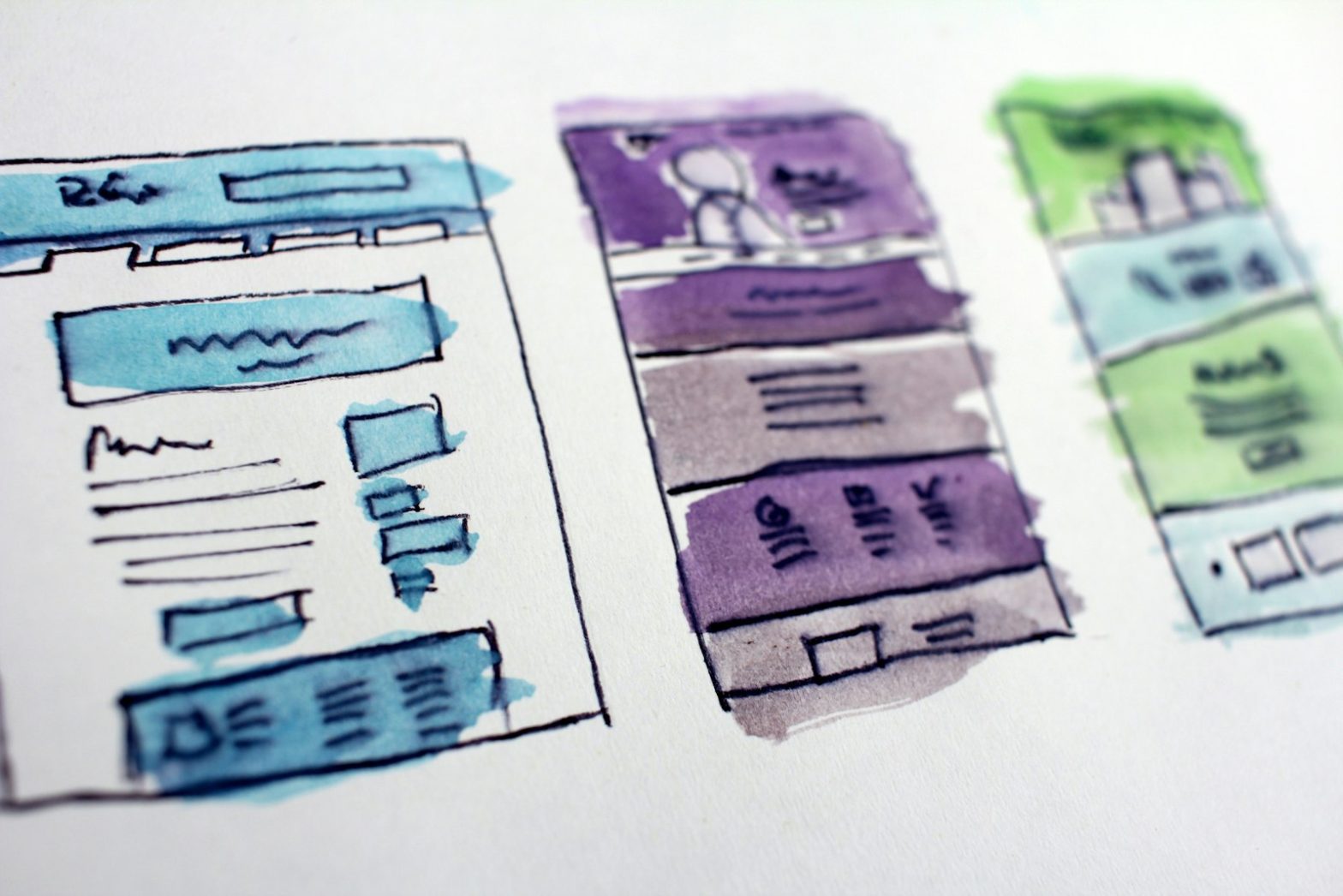
A landing page bridges the ad and the offer. Clarity and honesty convert better than hype, and they bring better leads.
Main points
- The headline should match the ad that brought the visitor.
- Explain plainly what the visitor gets and what happens after they submit the form.
- Keep forms short, mobile-friendly and clear about consent.
- Include disclosures and a link to your privacy policy.
A good landing page answers three questions quickly: what is this, is it for me and what happens if I fill in the form?
Essential elements
| Element | Purpose |
|---|---|
| Headline that matches the ad | Confirms the visitor is in the right place |
| Plain description of the offer | Sets honest expectations |
| Short form | Collects only what the offer needs |
| Consent wording | Explains how the person will be contacted |
| Disclosure | Tells visitors you may be paid for the lead |
| Privacy policy link | Explains how their data is used |
Writing that converts honestly
- Lead with the main benefit, stated plainly.
- Use specifics, such as what the visitor receives, rather than vague promises.
- Answer common questions on the page.
- Avoid claims you can’t support, such as guaranteed results.
Pro tip
Read the page on your phone before launching. Most traffic is mobile, and a form that’s awkward to fill in on a small screen loses good leads.
Technical basics
- Load quickly; compress images and avoid unnecessary scripts.
- Make sure the form works and confirms submission.
- Pass tracking parameters correctly so conversions are recorded; see our guide to sub IDs.
Compliance alert
Don’t use fake countdown timers, fabricated testimonials or pre-checked consent boxes. They mislead visitors and can breach consumer protection and privacy laws.
Testing and improving
Change one thing at a time, such as the headline or form length, and compare results over enough visitors to be meaningful. Measure approved leads, not just submissions, as explained in our guide to lead quality.
Frequently asked
How long should a landing page be?
Long enough to answer the visitor’s main questions. Simple offers can be short; complex ones need more explanation.
Should I use countdown timers?
Only if the deadline is real. Fake urgency is misleading and can breach advertising rules.
Do I need a privacy policy?
If you collect personal information, yes. It should explain what you collect, why and who you share it with.
This article is general information for marketers, not legal advice. Advertising, privacy and consumer protection rules vary by country and change over time, so check the current rules and your network’s terms, and get legal advice where needed before running campaigns.